
Introduction to Curling and the Importance of Brush Techniques
Curling is a precision sport that is played on ice, where teams attempt to slide stones towards a target area known as the “house.” The objective of the game is to accumulate the highest score by getting one’s stones closest to the center of the house while simultaneously attempting to position their stones strategically to outmaneuver the opposing team. Each team consists of four players: the lead, second, vice-skip, and skip, each playing a vital role in the execution of strategy and gameplay.
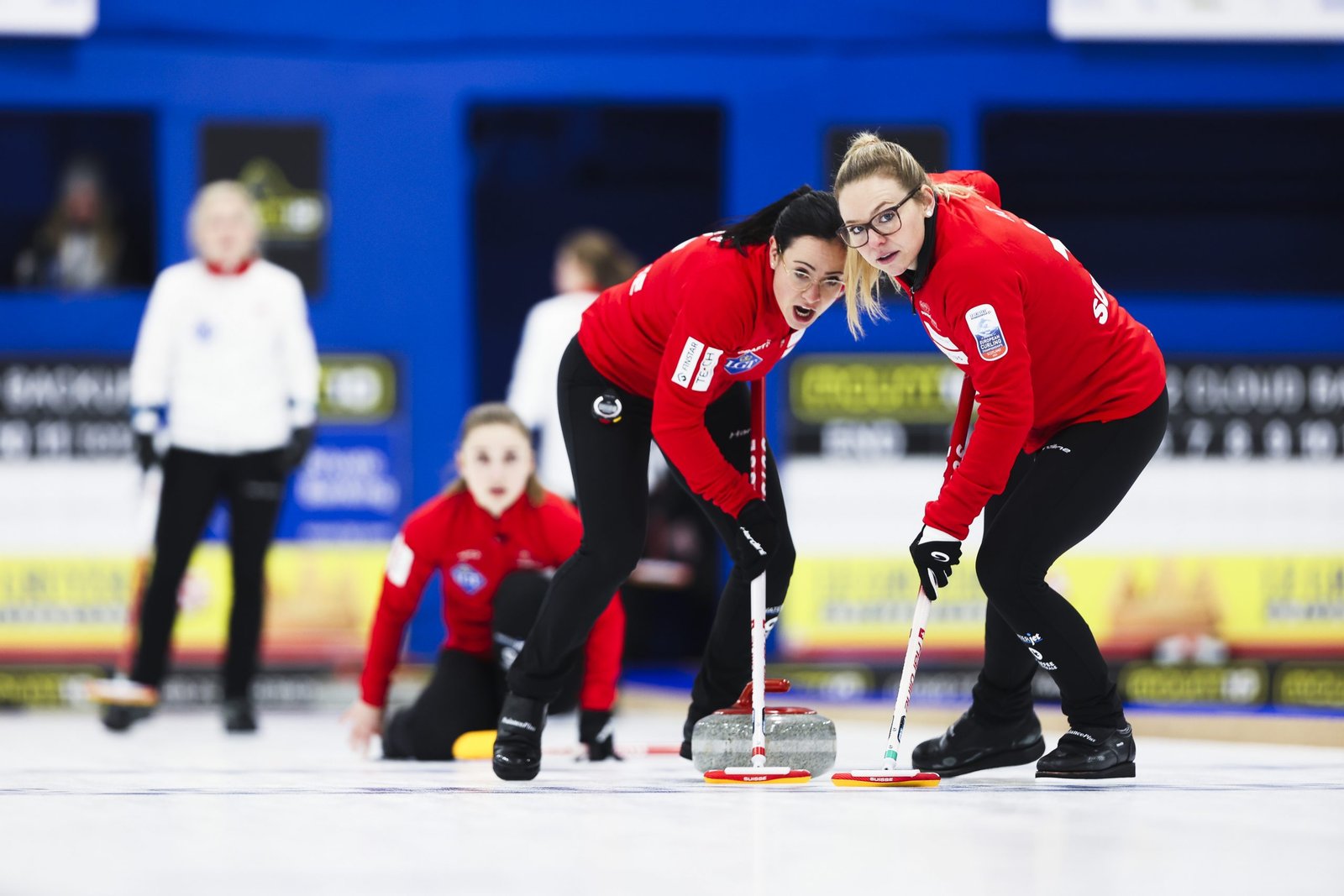
One critical aspect of curling that significantly influences the outcome of the game is the technique employed by the brushers. Brushers play a pivotal role in regulating the stone’s path as it travels down the ice. By using specially designed brushes, the players can create friction and manipulate the ice surface, which affects the stone’s speed and direction. The use of brushes in curling is particularly significant, as it can alter the stone’s trajectory, allowing for adjustments that are crucial in competitive settings.
The path of the stone is also influenced by several factors, including the angle of release, the stone’s weight, and the conditions of the ice, which can vary due to temperature and other elements. Understanding how do brushes affect the stone’s path in Olympic curling is essential to optimizing performance. The brushing technique not only helps to control the distance the stone travels but also reduces the friction with the ice, enabling a more precise movement toward the target. This demonstrates how integral the brushers are to the overall curling strategy, as their actions can lead to significant tactical advantages during a match.
How Do Brushes Affect the Stone’s Path?
The impact of brushes on the stone’s path in Olympic curling is a multifaceted topic, intricately linked to the physics of motion, friction, and strategic gameplay. When a stone is delivered down the ice, its trajectory is initially determined by the thrower’s technique. However, the subsequent actions of the sweepers play a critical role in guiding the stone along its intended path. One of the most significant ways in which brushing influences the stone is through the reduction of friction between the stone and the ice surface.
The brushes create a thin layer of water by briefly melting the top layer of ice due to the heat generated by friction. This action reduces the overall resistance encountered by the stone as it travels, allowing it to slide more smoothly. Consequently, this reduced friction leads to increased distance and accuracy, as the stone can maintain its momentum for a longer period. Additionally, the sweeping technique employed by team members can also alter the stone’s path—a phenomenon often referred to as ‘curling’ or ‘swing.’ By brushing either in front of or behind the stone, the trajectory can be adjusted, enabling the team to either enhance or counteract the curl introduced during delivery.
Moreover, temperature plays a crucial role in this process. The effectiveness of brushes can vary depending on the ambient ice conditions. For instance, on warmer ice, the brushing may create a more substantial melting effect, thus delivering different results in terms of stone speed and trajectory. Understanding the nuances of how do brushes affect the stone’s path in Olympic curling is key for teams aiming to gain a competitive edge in strategic scenarios. Hence, expertise in brushing techniques can pivotally influence the outcome of matches, making it a skill worth mastering.
Different Types of Brushes and Their Impact on Performance
In the sport of Olympic curling, the choice of brush plays a crucial role in shaping the stone’s path and overall performance on the ice. There are primarily two categories of curling brushes: traditional and modern. Traditional brushes are often made with a wooden handle and a natural fiber head, whereas modern brushes are constructed using advanced materials such as carbon fiber and synthetic bristles.
The material and design of curling brushes significantly influence their effectiveness in affecting the stone’s trajectory. For instance, traditional brushes tend to provide a softer touch, which can be beneficial for specific situations where finesse and precision are required. However, they generally lack the speed and efficiency of modern brushes, which are engineered to create friction and heat quickly. The modern brush materials enable athletes to alter the surface of the ice more effectively, impacting how do brushes affect the stone’s path in Olympic curling.
Bristle type also varies among different brushes, directly affecting how much the stone can be interacted with during play. For example, brushes with nylon bristles are commonly associated with faster movement and better performance on the ice because they maintain their shape and effectiveness through repetitive use. Conversely, brushes using natural fibers may lose their functionality more quickly and typically require more maintenance.
When comparing the two, modern brushes have demonstrated clear advantages in competitive settings such as the Olympics, allowing curlers to have greater control over the stone’s speed and direction. Traditional brushes, while important historically, may not meet the high-performance standards required in today’s elite competitions. Overall, the choice of brush directly correlates to how do brushes affect the stone’s path in Olympic curling, impacting not just trajectory but competitive outcomes as well.
Strategic Use of Brushes During a Game
In the highly strategic sport of Olympic curling, the role of brushes extends beyond mere tool usage; they serve as a fundamental element in determining the stone’s path. Effective teams leverage this tool through synchronized teamwork and communication, allowing them to strategically influence the trajectory and speed of the curling stone. Such tactical application is vital for achieving optimal results on the ice.
The timing of brushing is crucial. When the stone is released, the thrower and the brushers must operate in harmony to control the stone’s journey. Early brushing can help maintain momentum, while brushing later in the stone’s travel can alter its trajectory significantly. This requires split-second decision-making and coordination between players to capitalize on changing conditions on the ice, such as surface texture and the stone’s inherent speed.
Moreover, different brushing techniques can dramatically affect how the stone interacts with the playing surface. For instance, vigorous brushing can reduce friction, thereby increasing the stone’s speed and allowing for greater distance. Conversely, a gentler approach may be employed to encourage a more precise curl, guiding the stone towards a designated target. Players often employ various techniques based on their strategic objectives, taking into account the current state of play and the desired outcome.
Overall, the interplay between the thrower’s skill and the brushers’ execution exemplifies how brushes affect the stone’s path in Olympic curling. It is through this intricate relationship of timing, technique, and team cohesion that teams can maximize their advantages, making the brushing element an essential aspect of curling strategies.









Leave a Reply